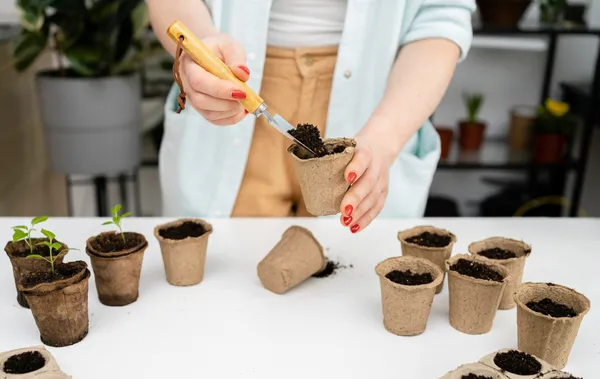
Woman using hand shovel and peat pots indoors, Freepik.
If you’re growing food with the intention of supporting your health and the planet, not all fertilisers will feel right. Most organic options still rely heavily on animal by-products such as fish extract, bone meal, blood meal, or even guano or cow manure. On the other hand, chemical fertilisers are not really a viable option, as they are harsh and unsustainable.
So, what should you do as a conscious grower? Learn about the ease of use of vegan organic fertilisers — gentle on the soil, cruelty-free, and surprisingly nutritious when it comes to growing plants in containers.
Best organic fertiliser in a pot
A pot is a closed system. Nutrients quickly get used up or washed away. After just one season, your soil can be depleted of the essential elements your plants need — especially nitrogen (for lush, vibrant leaves), phosphorus (for roots and flowers), and potassium (for fruiting and resilience).
Fertilising isn’t about supercharging plants but it's rather giving them back what they’ve used up. Without replenishment, your basil might go pale, your bell peppers small, and your chillies flavourless.
Vegan fertilisers for your vegetable garden and fruit trees
What works best for your potted veggies? Let's compare the properties of the main vegan fertilisers as laid out in the following table:
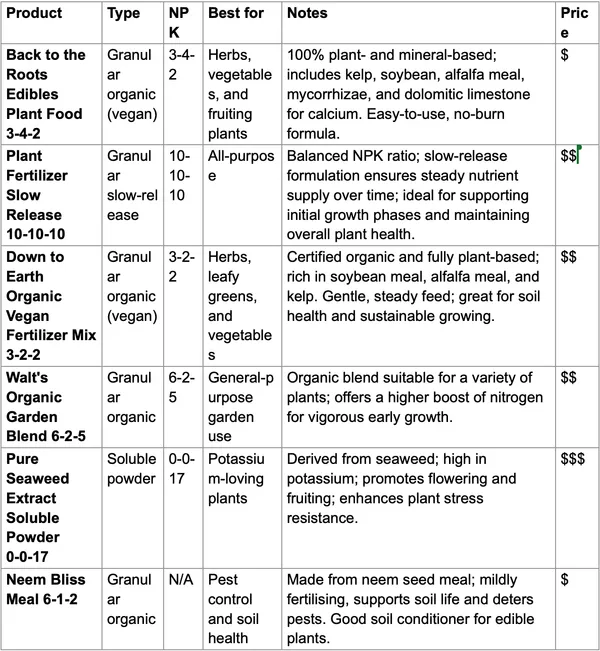
Vegan fertilisers' product comparison.
Back to the Roots Edibles Plant Food 3-4-2
Back to the Roots Edibles Plant Food 3-4-2 (#ad) is a sustainably crafted, animal-free fertiliser. This granular fertiliser is ideal for a variety of edible plants. Its gentle, no-burn formula ensures safe application, even for novice gardeners.
Enriched with kelp, soybean and alfalfa meal, it provides both immediate and long-lasting nutrition. The inclusion of mycorrhizae, a soil inoculant, supports robust root development, while dolomitic limestone supplies calcium and magnesium to aid in fruiting and overall plant health.
The best time to use it is from early spring through mid-summer (March to August) to support vigorous growth and prepare plants for fruiting.
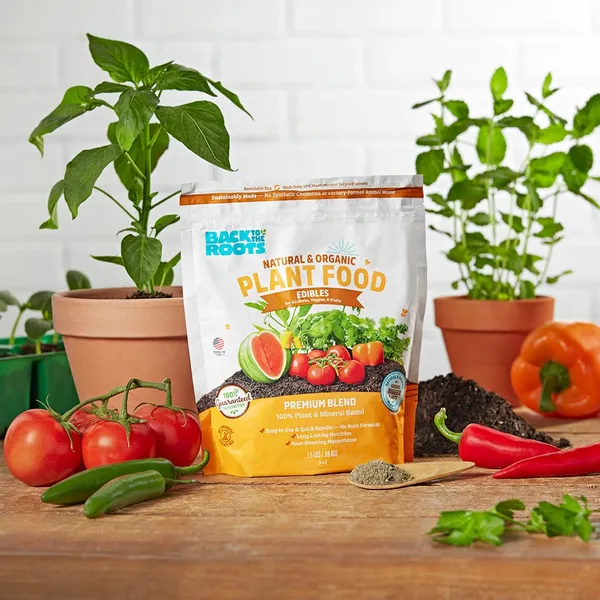
Back to the Roots Edibles Plant Food 3-4-2, Back to the Roots.
Plant Fertilizer Slow Release 10-10-10
With its balanced NPK ratio, Plant Fertilizer Slow Release 10-10-10 (#ad) is a versatile garden fertiliser for most herbs, leafy greens, and young vegetable plants. As it is slow-release formulated, it ensures a subtle but steady burst of growth, without the risk of burning plants or overfeeding.
Apply early in the growing season (March to June) to support root establishment, stem development, and overall plant vitality from early vegetative to mid-growth periods.
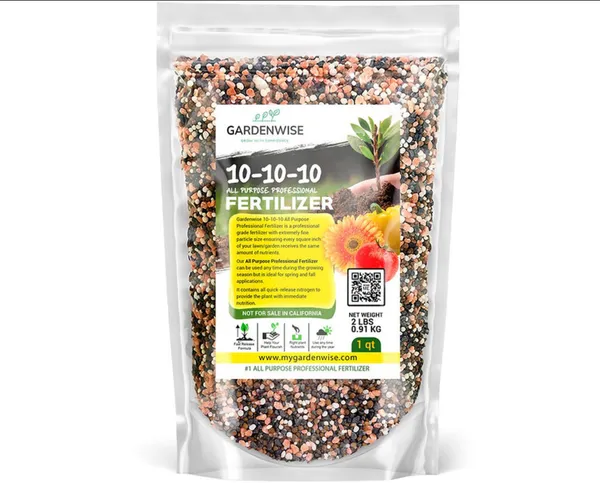
Plant Fertilizer Slow Release 10-10-10, Gardenwise.
Down to Earth Organic Vegan Fertilizer Mix 3-2-2
Down to Earth Organic Vegan Fertilizer Mix 3-2-2 (#ad), a certified organic and fully plant-based fertiliser, is perfect for steady vegetative growth without overwhelming delicate plants. It’s rich in ingredients like soybean meal, alfalfa meal, and kelp — supporting both plant health and soil life.
Apply it from early spring through mid-summer (March to August) to fuel consistent foliage growth and prep the plant for later flowering or fruiting stages.
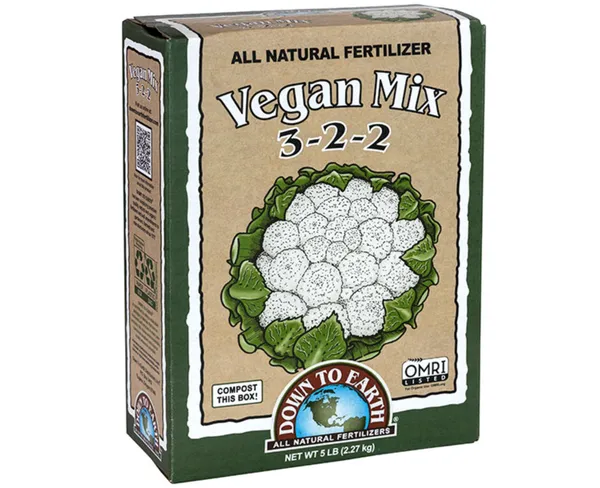
Down to Earth Organic Vegan Fertilizer Mix 3-2-2, Down to Earth.
Walt's Organic Garden Blend 6-2-5
Walt's Organic Garden Blend 6-2-5 (#ad) fertiliser provides essential nutrients — nitrogen for leafy growth, phosphorus for root development, and potassium for overall plant health. The NPK blend is enriched with plant-based ingredients like soybean meal, along with natural minerals and seaweed extract, promoting robust plant development and enhancing soil microbial activity.
It is great for use from early spring through late summer (March to August), aligning with active growth periods to ensure optimal nutrient uptake.
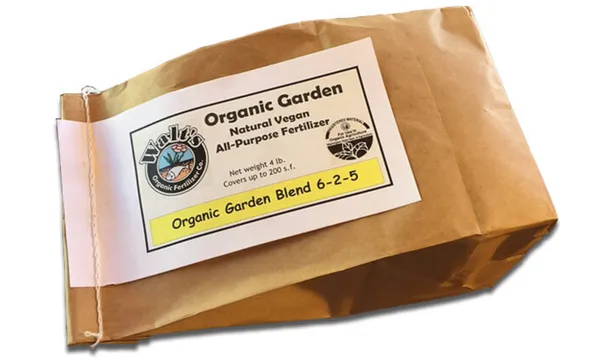
Walt's Organic Garden Blend 6-2-5, Walt's Organic Fertilizer Co.
Pure Seaweed Extract Soluble Powder 0-0-17
Pure Seaweed Extract Soluble Powder 0-0-17 (#ad) is rich in potassium, which is essential for flower and fruit development. It also contains natural growth hormones that help plants cope with stress and improve overall vigour. Introduce it from mid-summer to early fall, supporting the flowering and fruiting stages to boost yield and quality.
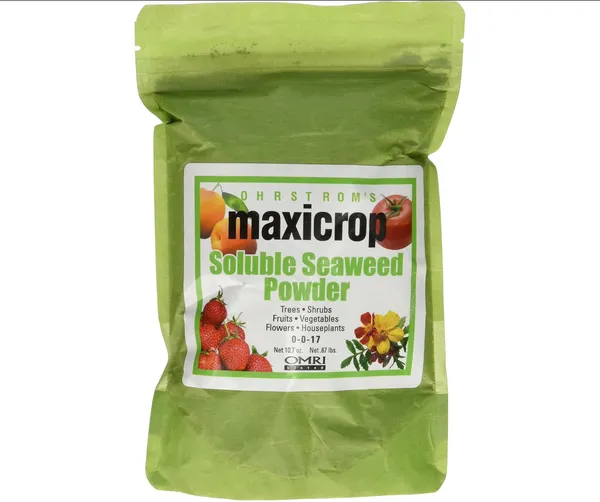
Pure Seaweed Extract Soluble Powder 0-0-17, Ohrstrom's Maxicrop.
Neem Bliss Meal 6-1-2
Sourced from that one nutrient, neem seed meal, Neem Bliss Meal 6-1-2 (#ad) serves dual purposes: it’s not only a fertiliser but also a bodyguard for your garden. This soil amendment enriches the soil with organic matter, helping your plants grow healthy while warding off pests like aphids and fungus gnats.
Its use is recommended throughout the growing season, from planting to harvest, to maintain soil health and deter pests. How to use it and how often to apply? Simply mix into the topsoil around plants or incorporate into compost. Reapply every 4–6 weeks or as needed.
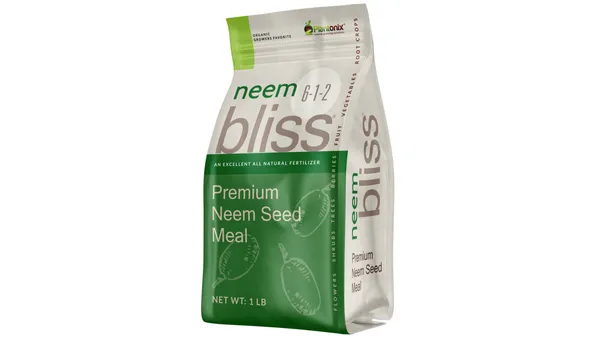
Neem Bliss Meal 6-1-2, Plantonix.
Why go vegan with your all-purpose fertiliser?
To use organic fertilisers sound reassuring, but many of them actually are by-products of the meat and livestock industries. Even if these waste products are technically being recycled, their origins still feels ethically murky.
This truth made me uncomfortable: that’s why I switched to vegan options.
Vegan fertilisers, by contrast, use plant-based ingredients, mineral compounds, or microbial solutions to feed your soil. They may work a bit more slowly, but they nourish the entire soil ecosystem — not just the plant.
And if you’re growing food to support your wellbeing, it makes sense to choose nutrient-rich inputs that are clean, cruelty-free, and rooted in regenerative values. A vegan, lawn fertiliser lets you grow food with full transparency and integrity. Additionally, vegan options are safe to use around children and pets.
Here's an expanded look at why opting for vegan fertilisers can be advantageous:
Ethical and cruelty-free
Ever wondered what actually goes into your fertiliser? Traditional fertilisers often contain animal-derived ingredients such as ground-up bones, dried blood meal, fish emulsion, and manure. By choosing vegan fertilisers, gardeners align their practices with a commitment to animal welfare, avoiding the exploitation and harm associated with animal farming.
Reduced odour for indoor and urban gardening
Animal-based fertilisers can emit strong, unpleasant odours due to their organic decomposition, making them less suitable for indoor plants or small urban gardens. In contrast, plant-based fertilisers typically do not stink as much, enhancing the gardening experience in confined spaces.
Environmental sustainability
Animal husbandry is a significant contributor to greenhouse gas emissions, deforestation, and water pollution. By adopting plant-based fertilisers, we reduce reliance on livestock farming, thereby decreasing our carbon footprint and promoting more sustainable agricultural practices.
Enhanced soil health and microbial activity
Vegan fertilisers enrich the soil with organic matter, improving its structure, aeration, and water retention capabilities. They also support a diverse and balanced microbial ecosystem, which is essential for nutrient cycling and plant health. By fostering beneficial soil microbes, plant-based fertilisers contribute to long-term soil fertility and resilience.
Lower risk of contaminants
Animal-derived fertilisers can introduce pathogens, antibiotics, or hormone residues into the soil, posing potential risks to plant health and human consumers. Plant-based fertilisers, being free from animal inputs, minimise these risks, leading to cleaner and safer gardening outcomes.
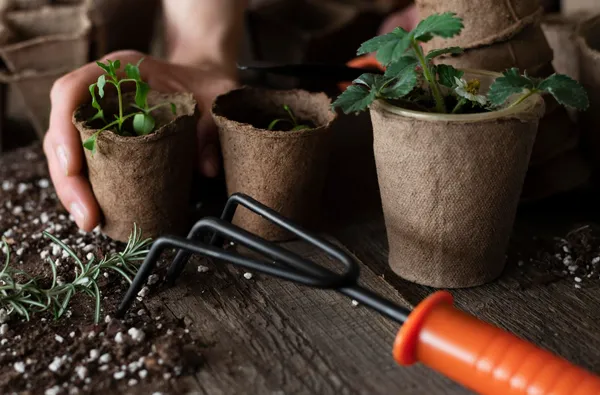
Hands with claw rake and peat pots, Freepik.
Matching fertiliser to your garden’s needs
Your container garden needs different compounds, depending on your plants’ growth stage, the season, and your own gardening style. Explore the main differences between liquid, granular, and slow-release vegan fertilisers:
Liquid vegan fertiliser
Need a fast fix for wilting seedlings or tired greens? A liquid fertiliser constitutes an instant nourishment option. Rich in trace minerals and natural plant hormones, liquid vegan fertiliser works well for seedlings and young plants that need gentle support. Just steer clear of organic liquid, fish fertiliser!
Vegan-friendly blends use fermented plant extracts, molasses, or seaweed. They support your planta during peak growth or in response to stress (heatwaves, transplant shock).
When mixed with water, they’re excellent for misting foliage or pouring into thirsty roots. Within days, you’ll see brighter leaves and sturdier stems.
Once dissolved in water, you can use them just like you would do with compost tea.
Granular vegan fertiliser
Vegan granules often contain alfalfa meal, rock dust, and other natural plant-based materials. They break down slowly, offering a steady feed over weeks or months. This makes them are perfect for long-term crops like tomatoes, chilies, or strawberries.
Mix granular fertilisers into potting soil at planting or sprinkle on top. Then, top up mid-season to revive plants for a second growth push.
Slow-release vegan fertilisers
Slow-release fertilisers come as pellets or tablets that release nutrients gradually over time. You drop them in, water as usual, and let them do their thing. This makes them particularly convenient and easy to apply.
They support consistent, even growth. They are especially indicated for fruiting plants that need steady nutrition during bloom and fruit set.
Combining soil amendments and fertilisers
For sustainable and productive harvest yields, it's often beneficial to use soil amendments and fertilisers in conjunction. For instance, incorporating part of your compost pile (i.e. your fully decomposed organic kitchen scraps) into the soil can improve its structure and water-holding capacity, allowing fertilisers to be more efficiently utilised by plants.
Moreover, relying solely on fertilisers without addressing underlying soil issues may lead to suboptimal plant growth and environmental concerns, such as nutrient runoff. While both soil amendments and fertilisers are integral to successful gardening, they serve different purposes:
Soil amendments: enhancing the soil environment
A soil amendment refers to any material added to soil to improve its physical or chemical properties, thereby enhancing plant growth. As such, a soil amendment is used to:
- Improve soil structure and aeration (e.g., compost, peat moss).
- Adjust soil pH (e.g., lime to raise pH, sulfur to lower pH).
- Increase nutrient content.
- Enhance water retention or drainage.
Soil amendments focus on creating a conducive environment for roots and beneficial microorganisms by improving the soil's physical properties. More importantly, they are particularly effective in correcting soil issues like compaction, poor drainage, or imbalanced pH levels.
Fertilisers: supplying essential nutrients
A fertiliser provides the necessary macro and micronutrients that plants need for growth and development. Their main purpose is meeting the immediate nutritional needs of plants.
They ensure that plants have access to the necessary elements for processes like photosynthesis, flowering, and fruiting.Unlike soil amendments, fertilisers do not significantly alter the physical properties of the soil.
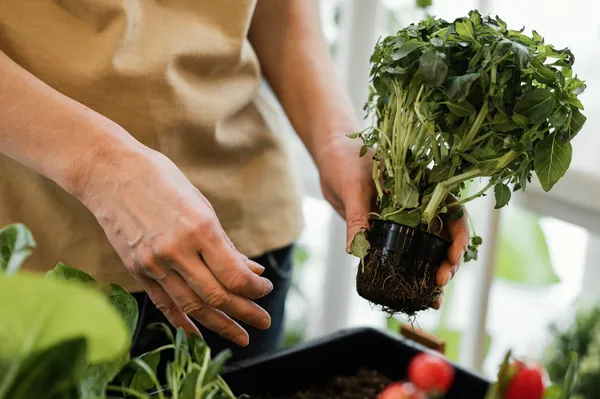
Woman holding basil plant indoors, Freepik.
What is a soil inoculant then?
A soil inoculant is a product containing beneficial microorganisms — such as bacteria or fungi— that are introduced into the soil to enhance its microbial activity. These microbes can form symbiotic relationships with plant roots, aiding in nutrient uptake, promoting plant growth, and suppressing soil-borne diseases. Inoculants are particularly beneficial in soils lacking specific microbial populations or when planting crops that benefit from particular microbial associations.
Examples of soil inoculants are:
- Rhizobia. Bacteria that fix atmospheric nitrogen in association with legume roots.
- Mycorrhizal fungi. Fungi that extend the root system, improving water and nutrient absorption.
- Trichoderma. Fungi known for their role in disease suppression and plant growth promotion.
Seasonality: when to apply what
You’ve got the right fertiliser now. But when you apply it can make a great difference. Plants don’t eat the same way year-round. Tuning into these phases can truly level up your garden.
Spring: early growth
Focus on root development and gentle leaf growth. Use liquid kelp, compost free of worm castings, or low-NPK vegan feeds.
Early summer: leafy growth
Boost nitrogen to support green leafy herbs like parsley, mint, spinach and lettuce. Use alfalfa-based feeds.
Mid to late summer: flowering & fruiting
Shift to potassium and phosphorus. Slow-release tabs or seaweed powder are your friends here.
Autumn: winding down
Ease off feeding. Let your plants slow naturally, and top-dress soil with compost to support soil biology through the colder months.
Plant food with intention for your organic plants
Gardening isn’t just about what you grow — it’s about how you grow it. The choices you make about what feeds your food matter. By choosing vegan fertilisers, you're not only supporting your plants, but also honouring your values. Fertilise your veggie garden without hidden harm, building soil health that supports flavour, nutrition, and resilience.
Yes, vegan options might take a bit more research or cost a little more up front, while being as rich in nutrients. But in the long run, they give back in healthier soil, cleaner food, and peace of mind.
So next time you’re taking care of your potted plants, ask: What do I want my garden to stand for? When you'll apply fertilisers that are not only organic products but also vegan, the answer will feel just right.
This post contains Amazon affiliate links. As an Amazon Associate, I earn from qualifying purchases.