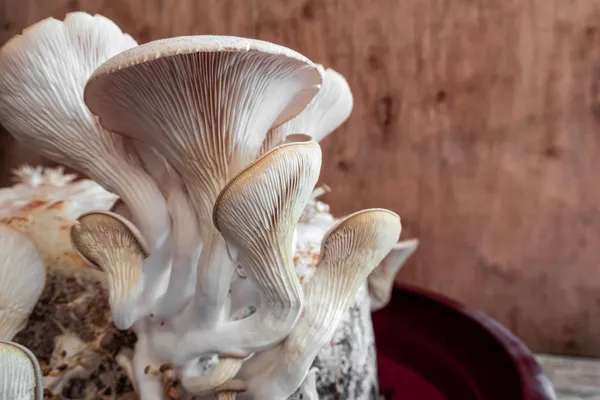
White oyster mushrooms growing in clay pot, Freepik.
When you think of mushrooms, you probably picture dense forests where they seem to appear out of nowhere in the wild — sprouting overnight after rain, thriving in the damp and the dark. Traditionally, growing mushrooms was something left to large-scale farms, or wild foragers.
But in recent years, indoor mushroom cultivation has taken off. Home gardeners, food lovers, and sustainability enthusiasts are realising that mushrooms can be grown in small spaces such as kitchens, basements, or dedicated grow rooms, providing fresh, homegrown produce all year round — with no need for a garden, direct sunlight, or vast open spaces.
Before you jump in, it’s important to understand the safety aspects of indoor mushroom growing. Mushrooms love humid environments, but so do mould and bacteria. Without adequate airflow, your growing setup could create unwanted health risks.
Why growing mushrooms at home?
Growing your own mushrooms ensures you're always growing supplies, free from pesticides. On the other hand, store-bought mushrooms are often expensive. By the time they make it to your plate, they might have already lost some of their flavour and texture.
But beyond that, home cultivation allows you to explore unique and gourmet varieties that may not be readily available in stores. Varieties like oyster mushrooms, shiitake, and lion’s mane offer distinct flavours and textures for culinary experimentation.
Mushrooms are one of the most eco-friendly crops you can grow. They require minimal space, water, and energy. Plus you can cultivate many species using recycled materials, like coffee grounds, sawdust, or cardboard, as growing medium.
Is indoor mushroom cultivation safe?
Want to grow mushrooms indoors? Always make sure you’re growing the right mushrooms. It should go without saying, but not all fungi are safe to eat. As a mushroom grower, stick with commercially available spawn from reputable suppliers. Grow mushrooms on a small scale, carefully coming up with an environment for mushrooms that is not at the detriment of your own health.
While most edible mushrooms don’t produce spores in amounts that are harmful to humans, certain varieties like pink oyster mushrooms release a lot of them. For people with asthma, allergies, or respiratory sensitivities, prolonged exposure to spores could cause irritation. If you’re worried about this aspect, consider wearing a mask or respirator during inoculation and harvesting. Where possible, deal with fruiting mushrooms outdoors on a balcony or a patio.
If you're cultivating mushrooms in the kitchen, you need to be particularly cautious about cross-contamination. The kitchen is also where you store and prepare food. Avoid placing your mushroom growing containers near raw food or food that could attract pests. Thus, keep your mushroom setup separate from food prep areas.
Finally, clean and store your mushrooms in paper bags in the fridge, to preserve their freshness. Paper bags allow the mushrooms to breathe, as compared to plastic bags. On the other hand, paper bags can help retain spores to some extent, but are not airtight enough to contain fine spores.
Set up your growing environment
Learn how to grow mushrooms at home safely. Invest time in the setup of your growing operation to obtain great homegrown crops of mushrooms. Carefully select a growing method, design a proper fruiting chamber, and maintain optimal humidity and airflow.
Choose the right growing method: mushroom kits and beyond
There are three popular methods to grow mushrooms indoors, depending on your experience level, available space, and how much effort you’re willing to put in:
- Mushroom kits. As a beginner, adopt mushroom growing bags for a simplified cultivation process. Mushroom grow kits provide you with the simplest option. These come pre-inoculated with mushroom spawn, so all you have to do is keep them humid and wait for mushrooms to sprout. They eliminate the need for sterilisation and substrate preparation, making mushroom kits a great way to grow many mushrooms.
- Mono tub systems. This more advanced method consists of a plastic container with ventilation holes that allow for oxygen and gas exchange. Fill the plastic tubs with a bulk substrate like coco coir or manure for healthy mycelial growth. This choice leads to larger yields.
- Buckets. This option is ideal for oyster mushrooms. Drill holes in a plastic bucket, fill it with a growing medium, and let the mushrooms fruit from the holes. Make sure you're growing mushrooms in smaller batches per bucket. In this way, you will be able to closely monitor the mushroom growing process and harvest your mushrooms just before spores are released, minimising potential respiratory risks.
Create a mushroom fruiting chamber
Once your mushrooms start developing, they’ll need the right humidity, light exposure, and fresh air exchange to fruit properly. Mushrooms prefer dim, indirect light or minimal exposure from grow lights — mushrooms don’t photosynthesise like plants. This can be as simple as a plastic storage bin with a clear lid or as advanced as a grow tent with automated misting and ventilation systems. Either way, as a mushroom cultivator, you should prevent contamination by regularly disinfecting and monitoring environmental conditions.
Mushrooms need humidity levels to be between 80-95%. Consistent moisture levels prevent mushrooms from drying out and promote steady growth. Equip yourself with a hygrometer for monitoring these conditions. To maintain proper humidity, mist the fruiting chamber manually, use a humidifier, or place trays of water nearby.
While mushrooms like to grow a humid environment, stagnant air can lead to CO₂ buildup, stunting mushroom growth. Thus, make sure your fruiting chamber has ventilation holes or small fans to maintain the proper balance.
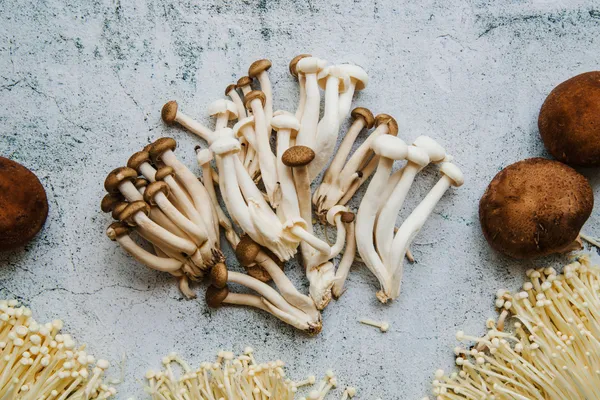
Mushrooms selection, Freepik.
What are the best mushrooms to grow indoors?
If you’re just starting out, it’s best to go with varieties that are easy to grow and don’t require complicated conditions for them to grow. Mushrooms species come with unique growth requirements, flavours, and nutritional profiles. Some of the best options include:
Opt for button mushrooms
These mushrooms grow well indoors and thrive in compost-based substrates. They are an excellent choice for beginners due to their predictable growth cycle and high yield potential. They are known for their mild flavour and versatility in cooking.
Cultivate white mushrooms
Their cultivation process is similar to that of button mushrooms, making them a familiar and manageable option. A variation of the button mushroom, white mushrooms are commonly used in salads, soups, and stir-fries.
Grow oyster mushrooms
Oyster mushrooms are the easiest mushrooms to grow at home. With their delicate texture and slightly sweet, nutty flavour, they are a gourmet favourite in many cuisines. Pink oyster mushrooms would produce the largest amount of spores, as compared to any other oyster mushroom variety
Growing gourmet and medicinal mushrooms indoors
If you are interested in expanding beyond common edible mushrooms, growing gourmet and medicinal mushrooms at home can be a great option. When cultivating this kind of mushrooms, pay extra attention to specific growing conditions, including humidity, temperature, and substrate selection. Edible and medicinal mushrooms not only offer unique flavours and textures but also provide potential health benefits that make them highly sought after
Shiitake Mushrooms
Shiitake mushrooms — known for their rich, umami flavour and firm texture — are a bit more challenging but worth all the work. You can grow them on hardwood logs or supplemented sawdust blocks. They are appreciated for their immune-boosting and cholesterol-lowering properties.
Lion’s Mane Mushrooms
Recognisable by their cascading, white spines, lion’s mane mushrooms prefer high humidity levels, growing well in sterilised sawdust or supplemented substrate bags. Studies from the University of Queensland suggest that they may support nerve regeneration and brain function.
Reishi Mushrooms
Often used in traditional medicine, reishi mushrooms are known for their adaptogenic properties and potential benefits for stress management and immune support. They require a well-ventilated environment and flourish on hardwood substrates. Unlike culinary mushrooms, reishi mushrooms have a tough, woody texture and are typically consumed in teas, tinctures, or powders.
Maitake Mushrooms
Also known as "hen of the woods," maitake mushrooms grow in clustered formations and have a rich, earthy flavour. They are valued for their potential role in blood sugar regulation and immune support. Growing maitake indoors requires patience, as they take longer to mature than some other varieties, but they reward growers with substantial yields when conditions are optimal.
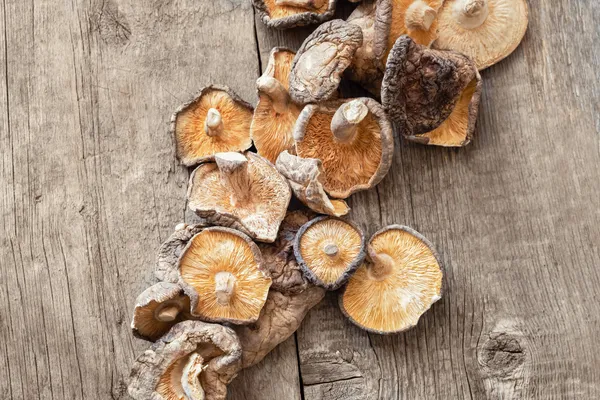
Dried shiitake mushrooms on wooden table, Freepik.
Use mushrooms for their nutritional benefits
If you’re looking for a way to boost your nutrition without much effort, mushrooms can be a fantastic addition to your diet. Homegrown mushrooms offer a range of essential vitamins and minerals, such as:
- Vitamin D. Unlike most plant-based foods, mushrooms can synthesise vitamin D when exposed to light, making them an excellent source of this essential nutrient for bone health.
- B vitamins. Mushrooms are rich in B vitamins such as riboflavin (B2), niacin (B3), and pantothenic acid (B5), which support energy metabolism and nervous system function.
- Antioxidants. Compounds like ergothioneine and selenium in mushrooms help combat oxidative stress and may reduce inflammation in the body.
- Protein. Mushrooms also provide small amounts of plant-based protein, making them a valuable addition to vegetarian and vegan diets.
- Fibre. Certain mushrooms, such as shiitake and oyster varieties, contain beta-glucans, a type of soluble fibre known for its potential immune-boosting properties.
Considerations for those with allergies or chronic diseases
While mushrooms offer numerous health advantages, some people may need to consume them with caution. Mushrooms contain chitin, a fibrous substance that can be difficult for some people to digest, potentially causing bloating or gastrointestinal discomfort. Cooking mushrooms thoroughly can help break down these fibres.
Some species of mushrooms, particularly medicinal varieties like reishi and lion’s mane, have bioactive compounds that may interact with medications, including blood thinners and immunosuppressants. Individuals on prescription drugs should consult their healthcare provider before incorporating large amounts of mushrooms into their diet.
Additionally, those with known mould or fungal allergies should be cautious when handling fresh mushrooms or working in enclosed growing environments. They might experience symptoms such as skin rashes and respiratory issues otherwise.
The way to grow mushroom indoors in safe growing conditions
Whether you’re interested in gourmet cooking, self-sufficiency, or just trying something new, indoor mushroom farming not only provides you with a fresh and nutritious food source but also takes you a step closer to self-sufficiency.
Regardless of space or experience, successfully cultivate your own fresh mushrooms at home. You can grow mushrooms in a basement, veranda, or even a closet. Just remember: proper oxygenation, humidity control, and cleanliness are crucial to prevent contamination and ensure a successful harvest.
Experiment with different types of mushrooms, from common button mushrooms to gourmet or medicinal varieties like shiitake or lion’s mane, to spice up your culinary exploration. For an absolutely safe growing experience — choose the right mushroom varieties and take precautions for respiratory health, especially when suffering from allergies or pre-existing conditions.
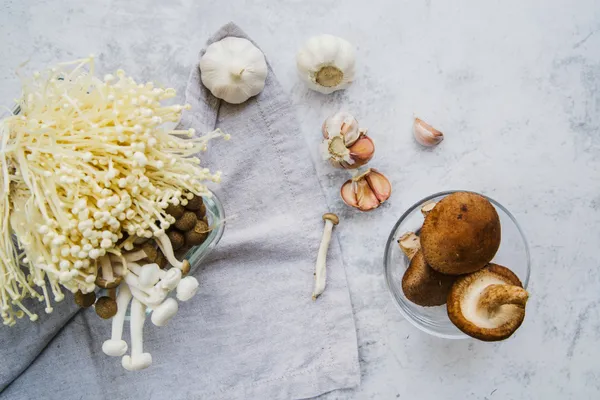
Mushrooms, garlic, grey cloth, Freepik.