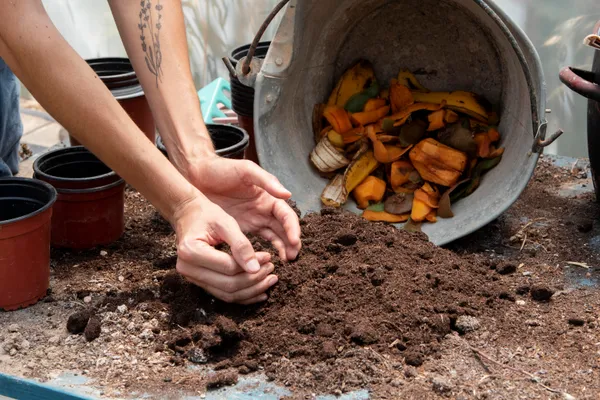
Hands working with soil, plastic pots, fruit scraps in a metal bucket, Freepik.
Growing plants indoors or on a balcony presents unique challenges — limited soil volume, restricted exposure to natural elements, and sometimes unpredictable watering habits. Synthetic fertilisers can offer a quick nutrient boost, yet they often come at the cost of soil health and environmental sustainability.
On the other hand, organic fertilisers provide a slow-release, balanced nutrient supply while improving soil structure and microbial life. In this article, we’ll explore some of the best organic fertilisers for your green space, including food waste and organic liquid fertilisers.
Why choose an organic fertiliser for plants?
The modern gardening industry is filled with chemical-based fertilisers promising fast growth and lush foliage. Over time, these chemical products can lead to salt buildup in soil, making it harder for plants to absorb nutrients and water. Notably, salt buildup is more frequent and problematic in indoor house plants compared to outdoor ones. This is primarily due to the confined environment of potted plants, which limits the natural leaching processes that occur outdoors.
Additionally, chemical fertilisers often contain petroleum-based ingredients, contributing to environmental pollution. The production of synthetic fertilisers, particularly nitrogen-based ones, is energy-intensive and relies heavily on fossil fuels like natural gas. This process emits significant amounts of CO₂. While their application to the soil greatly contributes to air pollution through the emission of nitrous oxide (N₂O), a greenhouse gas. Not to mention water pollution and soil acidification.
As a gardener, it's time to make homemade fertilisers from kitchen scraps, reducing organic waste and reliance on products purchased at the garden centre. As organic fertilisers are derived from natural sources, they both decompose and release nutrients gradually through microbial activity in the soil. This prevents over-fertilisation and nutrient runoff from happening.
Furthermore, organic fertilisers, such as compost, vermicompost (using earthworms), and seaweed-based products, provide a rich source of organic matter that serves as food for soil microorganisms. These microbes — including bacteria, fungi, and protozoa — play crucial roles in natural processes decomposing organic materials, cycling nutrients, and maintaining soil health.
Top organic fertilisers for potted plants
Let's now discuss some of the major homemade fertilisers:
Eggshell fertiliser
Eggshells are an excellent source of calcium carbonate, which strengthens plant cell walls and prevents blossom-end rot in balcony vegetable gardens where we find tomatoes and peppers. While eggshells contribute to plant health, they do not provide nitrogen, which is essential for leafy, healthy plant growth. Therefore, they work best when combined with other nutrient sources, such as coffee grounds.

Eggshells in a bowl, Freepik.
Application tips:
- Crush dried eggshells into powder and sprinkle it into the soil.
- Alternatively, soak crushed shells in water for 24 hours to create a calcium-rich liquid fertiliser.
Banana peel fertiliser
Banana peels are packed with potassium (K) and phosphorus (P), essential nutrients for flower production, root development, and overall plant vigour. Potassium is a great plant food for strong stems, disease resistance, and fruit formation. Banana peels are perfect choice for flowering houseplants like African violets and peace lilies, or balcony plants like roses and geraniums.
How to use:
- Chop banana peels into small pieces and bury them in the soil around your plants.
- Otherwise, soak peels in water for 24-48 hours and use the infused water to nourish plants.
Used coffee grounds
Coffee grounds provides your plants nitrogen (N). A common misconception is that used coffee grounds are highly acidic. In reality, most of their acidity is removed during brewing, leaving behind a relatively neutral organic material that enriches the soil. Used coffee grounds are a great option for acid-loving plants like ferns, azaleas, and jade plants, or balcony herbs like parsley and basil (in moderation).
Here's how to do it:
- Let used coffee grounds dry to prevent mould growth.
- Sprinkle them onto the soil or mix them into compost.
- Alternatively, brew a mild coffee solution and use it as a liquid fertiliser.
Since coffee grounds can increase soil water retention, they are especially useful for plants that require moist conditions, such as ferns and tropical houseplants. However, excessive use can compact the soil, so moderation is key.
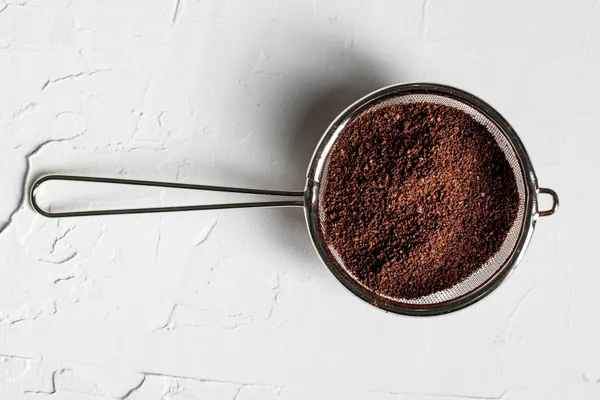
Ground coffee in a strainer, Freepik.
Wood ash fertiliser
Wood ash is a natural source of potassium and calcium carbonate, making it an excellent pH balancer for acidic soils. It also is infused with small amounts of magnesium and phosphorus, supporting overall plant health. This type of fertiliser is ideal for nourishing outdoor plants like tomatoes and garlic, but can also houseplants like snake plants and succulents (in small amounts).
However, wood ash should be used with caution. Its alkaline nature can alter soil pH, making it unsuitable for acid-loving shrubs like azaleas, gardenias and blueberries.
Using this effectively:
- Sprinkle a small amount of cooled, dry wood ash around the base of plants.
- Mix it into compost to neutralise excessive acidity.
Epsom salt fertiliser
Epsom salt, chemically known as magnesium sulfate (MgSO₄), goes a long way, enhancing chlorophyll production and increasing nutrient absorption. Magnesium is a central component of chlorophyll. Leaves may turn yellow without it, leading to stunted growth. This fertiliser is the one for indoor and outdoor plants like: palms and ZZ plants; tomatoes, peppers, and roses.
NB: Epsom salt should only be applied if there is a visible magnesium deficiency: overuse can disrupt soil nutrient balance.
Simple usage guide:
- Dissolve a teaspoon of Epsom salt in a gallon of water and apply it as a foliar spray or soil drench.
- Add small amounts to the soil for a slow-release effect.
Rice water
Often discarded, rice water is a mild but effective organic fertiliser enriched with starches, amino acids, and trace minerals. These compounds stimulate beneficial microbes, which, in turn, improve soil quality and plant resilience. It is indicated for pothos, spider plants, and peace lilies, as well as balcony herbs like mint and cilantro.
Since rice water is a mild fertiliser, it is recommended alongside other nutrient-rich sources.
Steps to apply:
- Use leftover rice-rinse water to make a solution to water your plants once a week.
Molasses fertiliser
Molasses is rich in simple sugars, which feed soil microbes, enhancing microbial activity and improving nutrient absorption. It also contains small amounts of calcium, iron, and magnesium. It provides compost-fed balcony veggies like chilies and beans, and indoor tropicals like monstera and philodendron with the nutrients they need to grow
Here's how to do it:
- Mix 1 tablespoon of unsulfured blackstrap molasses with 1 gallon of water.
- Try it as a soil drench or foliar spray.
This organic fertiliser is best when combined with compost tea or used as a foliar spray, as it helps beneficial bacteria thrive.
DIY compost tea
Compost tea is a powerful liquid fertiliser made by steeping compost in water. Unlike synthetic liquid fertilisers, it provides a broad spectrum of minerals to plant, including nitrogen, phosphorus, potassium, and beneficial microbes.
Compost tea is an excellent way to improve soil health while delivering nutrients directly to plant roots. Give it a go on all indoor plants, especially during growing season. Balcony veggies, herbs, and flowering plants need it too.
How to make compost tea:
- Make your compost.
- Fill a bucket with water and add a shovelful of organic compost.
- Let it steep for 24-48 hours, stirring occasionally.
- Strain the liquid and dilute it with water (1:5 ratio) before using it to water plants.

Fruit and vegetable scraps, Freepik.
Other food waste fertilisers for plants
Many other food scraps can be repurposed as plant fertilisers.
- Citrus peels. Don’t use raw citrus directly in soil — compost or dry it first to avoid acidity and mould. A natural source of potassium, phosphorus, calcium, and essential oils; it keeps your plants safe from pests when used properly. This organic fertiliser for plants is a great match for: balcony flowering plants like geraniums and marigolds; indoor herbs like basil and rosemary.
- Vegetable scraps. Blend or soak in water to create a nutrient-rich vegetable broth for plants. It is a plants' general nutrient source, especially nitrogen and potassium. Use this plant fertiliser for leafy plants: indoor, on philodendrons and snake plants; on the balcony, on lettuce, spinach, and kale.
- Onion and garlic skins. Packed with sulfur and antioxidants, boost your plants when composted — sulfur supports plant immunity, and potassium flowering and fruiting. Adopt this fertiliser for your plants: balcony vegetables like tomatoes, peppers, and beans; and indoor plants prone to pests like ficus or dracaena.
Organic liquid fertilisers for indoor plants
While solid organic fertilisers also improve soil quality over time, liquid organic fertilisers provide nutrients for your plants in the form of an immediate boost. Liquid fertilisers are quickly absorbed, making them ideal for indoor plants that may need extra nourishment due to limited soil volume.
Seaweed fertiliser
Seaweed is packed with trace minerals, amino acids, plant growth hormones (cytokinins), and enzymes. Make homemade fertiliser of this kind to stimulate root growth and overall resilience, especially in stressed plants. Adopt it for ferns, orchids, calatheas, as well as for balcony seedlings for early-stage growth.
Application tips:
- Keep it simple: dilute store-bought liquid seaweed extract with water according to the instructions.
- Alternatively, soak dried seaweed in water for 24 hours, strain, and use the liquid to water plants.
Aloe vera fertiliser
Aloe vera offers a supply of enzymes, vitamins, and amino acids. It stimulates cell regeneration and reduces plant stress. It is ideal for delicate or healing plants like pothos, snake plants, succulents. It equally encourages rooting in propagation cuttings.
Using this effectively:
- Blend fresh aloe vera gel with water and use it as a foliar spray or soil drench.
- This is best used for seedlings and stressed plants.
Nettle tea fertiliser
Nettle leaves is a source of nitrogen, iron, magnesium, and trace minerals. It helps plants to grow: hungry houseplants like fiddle leaf fig, ZZ plant. Or even, balcony fruiting plants like strawberries, and peppers. This tea with water for tired or slow-growing plants is the one.
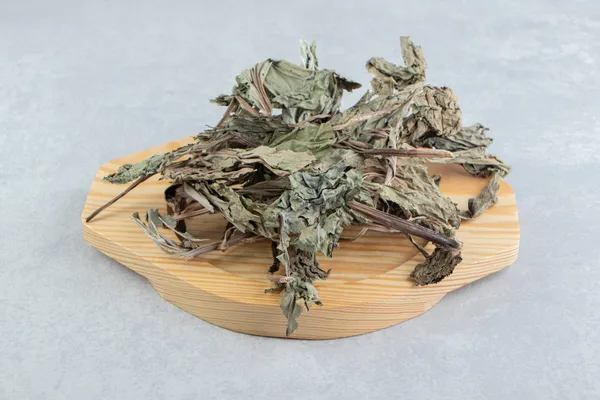
Nettle tea loose leaves on wooden board, Freepik.
Simple usage guide:
- Soak fresh nettle leaves in a bucket of water for about a week.
- Strain the mixture and dilute it with water (1:10 ratio) before applying it to plants.
DIY vegetable scrap liquid fertiliser
Instead of discarding vegetable scraps, you can create a nutrient-rich liquid fertiliser. It constitutes a gentle, cost-effective way to give a variety of nutrients to your plants, along with a nice kick for microbial life in the soil. Use it on potted herbs like parsley, mint, thyme.
Steps to apply:
- Collect vegetable peels, leaves, and cuttings in a container.
- Fill with water and let it sit for a few days, then strain and use the infused water for your plants.
- Dilute before applying, and avoid overuse to prevent smells or imbalance.
What are carbon-based fertilisers?
Carbon-based fertilisers incorporate carbon-rich materials to enhance garden soil health, nutrient retention, and plant growth. Unlike synthetic fertilisers that primarily supply nutrients like nitrogen, phosphorus, and potassium (NPK), they improve the soil's physical and biological properties, leading to a more resilient and productive growing environment for your plants.
Please find enclosed some viable solutions:
- Biochar: A charcoal-like substance produced by pyrolyzing organic matter in the absence of oxygen.
- Humic and fulvic acids: Organic compounds derived from decomposed plant .
- Molasses: A byproduct of sugar production, serving as a simple carbon source.
- Composted organic matter: Decomposed plant residues.
For indoor plants and balcony gardens, carbon-based fertilisers can be particularly beneficial. Using compost teas or diluted molasses solutions can improve microbial activity in indoor potting mixes. With regard to balcony gardens, incorporating biochar into container soils can improve drainage and nutrient retention.
Make homemade fertiliser for your plants!
Indoor plants and balcony gardens require a thoughtful approach to fertilisation. Unlike outdoor gardens, where nutrients are naturally replenished, container plants depend entirely on what they receive. Using organic fertilisers not only nourishes plants safely and sustainably but also reduces household waste.
Whether repurposing banana peels, brewing compost tea, or incorporating coffee grounds, these sustainable solutions offer a chemical-free way to support plant's health while protecting the environment. Experiment with different organic fertilisers and combinations to figure out what makes a perfect a perfect choice for your plants!