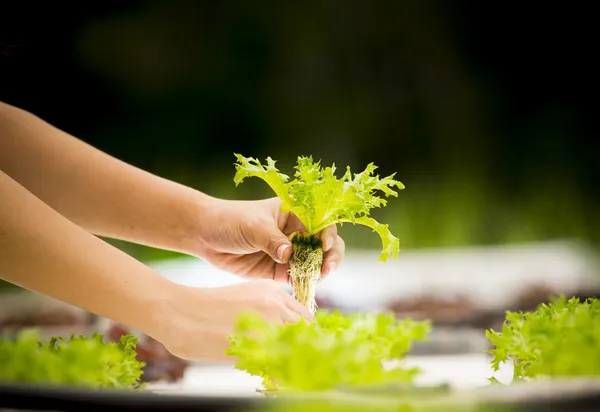
Hands & lettuce in hydroponic cultivation, Pixabay.
If you live in a city or don’t have a backyard, DIY hydroponic gardening is a game-changer for fresh, homegrown vegetables. This innovative method allows you to grow herbs, greens, and even vegetables in small spaces like balconies or verandas. Plus, it’s a step towards self-sufficiency, without the need for traditional gardening.
Why DIY hydroponics to grow your vegetable garden?
Urban gardening is more than just a trend—it’s a lifestyle choice that promotes sustainability and self-reliance. Hydroponic systems are perfect for those with limited space since they can be customised to fit virtually anywhere. Instead of depending on unpredictable supply chains, you can grow your own food, knowing exactly where it comes from and what goes into it.
Set up your hydroponic growing system
Starting your own hydroponic garden doesn't have to be expensive or complicated. This section will provide a step-by-step guide to a pretty straight-forward hydroponic setup. Learn how to create an environment ideal for plant growth, even in the smallest of spaces.
Growing media
Since hydroponics eliminates soil for the most part, growing medium comes in. Unlike soil, growing media do not supply nutrients. Growing media include coconut coir, perlite, vermiculite, clay pebbles, and rock wool, each offering different levels of aeration and water retention depending on the system used.
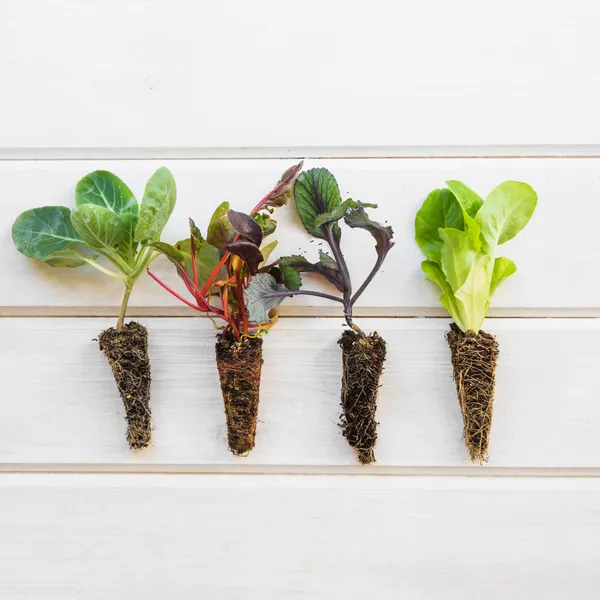
Green leaf baby plants, Feeepik.
Water reservoir
The water reservoir holds the nutrient-rich solution that feeds the plants. It ensures a continuous supply of water and dissolved minerals necessary for plant growth. In active hydroponic systems, pumps circulate the solution to avoid stagnation. Constantly monitor the reservoir’s pH and nutrient concentration to ensure an optimal growing environment.
Drain
In hydroponic systems that involve recirculating water, a drain is used to collect and return excess water to the reservoir. In non-recirculating systems, the drain may simply remove excess water. Proper drainage is crucial to prevent waterlogging, which can lead to root rot and oxygen deficiency.
Air pump & air stones
Oxygen is essential for healthy root development. In deep water culture, an air pump connected to air stones is used to oxygenate the nutrient solution.
Nutrient-rich water
Since hydroponic plants do not get nutrients from soil, add nutrients to the water. Among the nutrients they need, we find a mix of essential minerals like nitrogen (N), phosphorus (P), and potassium (K), along with micronutrients like calcium (Ca), magnesium (Mg), and iron (Fe).
pH and electrical conductivity meter
pH levels affect nutrient availability, with most plants thriving in a slightly acidic range (pH 5.5–6.5). An EC meter measures the electrical conductivity of the solution, which indicates the strength of nutrient concentration.
Water pump & tubing system
In active hydroponic systems, a water pump is used to circulate the nutrient solution through a network of tubes and emitters.
Grow lights
In indoor garden or vertical farming setups, LED or HID grow lights replace natural sunlight, providing the necessary light spectrum for photosynthesis. Growing season are no longer relevant: simply adjust light intensity and duration for healthy plant development.
Support structures & net pots
Plants need net pots, trellises, or stakes to keep them upright, especially for heavier crops like tomatoes or cucumbers.
Types of successful hydroponic systems for beginners
Hydroponic systems are designed to be more water-efficient than conventional agriculture. Interestingly, hydroponics can save up to 95% of irrigation water compared to traditional soil-based agriculture.
Not all hydroponic setups work the same way. Here’s a breakdown of some beginner-friendly systems to help you understand which hydroponic system is best for your specific needs
Wick hydroponic system
Experienced hydroponic gardeners describe the wick system as the easiest and most beginner-friendly. It in fact is cost-effective, easy to set up, low-maintenance and highly reliable, without the need for complex equipment or technical expertise.
This passive system relies on capillary action to draw the nutrient-rich water to the roots of the plants. A wick — often made up of cotton, nylon, or another absorbent material — connects the nutrient solution in a reservoir to the growing medium in the grow tray, ensuring a steady supply of moisture. Choose the right wick material and growing mediumto increase the overall system efficiency.
Notably, the wicking process is best suited for plants with low water and nutrient demands, as it is relatively slow compared to active hydroponic systems like deep water culture (DWC) or nutrient film technique (NFT).
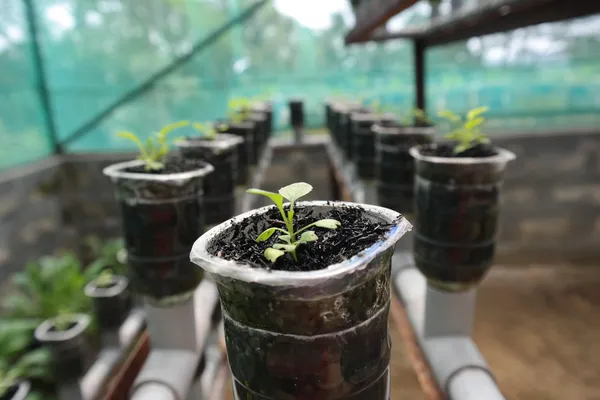
Wick cultivation in greenhouse, Pixabay.
Drip hydroponic system
The drip system constitutes another popular hydroponic method, known for its efficiency and scalability. This system delivers a controlled yet consistent supply of nutrient-rich water directly to the root systems through a network of tubes and emitters.
While minimising water waste, the drip system is perfect for both small-scale home gardens and commercial operations. Choose this hydroponic method that ensures great precision, efficiency, and high yields. Still, drip hydroponics can be set up either as a recovery system — where excess solution is drained to the bottom of the container and recirculated — or as a non-recovery system — which reduces the risk of nutrient imbalances but uses more water.
A key advantage of this system is its adaptability, which allows you to adjust the water flow to meet the needs of specific plants. However, as it relies on tubing and emitters, this method requires regular monitoring and maintenance to prevent water from overflowing or clogging, especially when using organic nutrients.
The Dutch bucket system (AKA the Bato Bucket system) is specific type of drip hydroponics. It uses drip irrigation to deliver nutrients to individual buckets filled with a growing medium. The individual bucket arrangement is ideal for large greenhouse farms or when you need to cater to specific plants, like tomatoes or peppers, that need more root space and a separate nutrient delivery system. On the other hand, the Dutch Bucket system requires more components (buckets, tubing, drainage systems) and can be quite labor-intensive, especially as you increase the number of plants.
Krakty hydroponic system
Krakty is a passive and low-maintenance system. As per this method, plant roots are submerged in a solution. As the plants grow and absorb the water, the water level gradually drops, exposing the plant roots to the air, which allows for natural oxygenation.
While it’s not ideal for larger, fruiting plants, it offers excellent results for crops that don’t require continuous water circulation. Unlike other hydroponic systems, the Kratky method doesn’t require pumps, air stones, or electricity. Water efficiency and minimal care makes it a top choice for new hydroponic growers.
Ebb and flow (flood and drain) system
In ebb and flow, you'll grow plants in a tray filled with a growing medium. The tray is periodically flooded with nutrient solution from a reservoir, then allowed to drain back into the reservoir. This process is usually controlled by a pump and timer. The flooding action ensures that all parts of the root system come into contact with the nutrients; while the draining action provides excellent oxygenation, which is crucial for healthy growth and nutrient uptake.
This can be a relatively water-efficient system, especially if the nutrient solution is recirculated. With proper management, it can produce abundant harvests. Furthermore, it offers a good balance between simplicity and scalability. While it shares passive drainage with the wick system, it is more similar to the drip method in its active nutrient delivery mechanism.
To ensure success with this hydroponics method, regularly perform maintenance and careful monitoring, as well as have backup components (like a spare pump and timer).
NFT
The nutrient film method delivers a continuous, thin film of nutrient-rich water to the roots of the plant. In this system, plants are placed in channels or gutters with a slight slope: the nutrient solution flows over the roots and drains back into the reservoir for recirculation. Since the roots are only partially submerged, they receive a constant supply of oxygen, which results in faster growth and higher yields. Similarly to the drip method, these characteristics make NFT an extremely scalable system that maximises oxygen exposure and nutrient absorption.
Low water and nutrient usage make NFT an environmentally friendly option. However, any pump failure or clogging in the system can quickly lead to plant stress or damage. Plant wellbeing depends in fact on a steady flow of nutrients. Bear in mind that NFT is best suited for smaller plants with shallow root systems, as larger plants may obstruct the flow of nutrients.
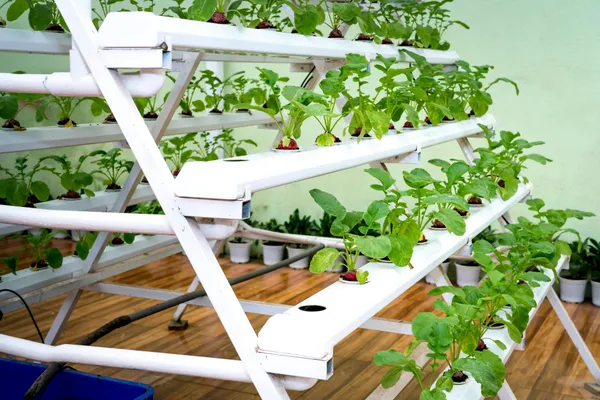
Beetroots in hydroponic cultivation, Pexels.
Deep water culture
The deep water culture system submerges the plant roots in a nutrient-rich, oxygenated water solution. Either use dedicated pots or drill a hole using a hole saw for the roots of the growing plants to reach the water level in the deep water reservoir, which is continuously aerated using air pumps and air stones. DWC proves to be a fairly simple and productive way to grow plants indoors or in controlled environments, especially among beginners and home growers.
One of the biggest advantages of deep water culture is its low maintenance and high efficiency — since the roots are always in contact with water, there is no need for frequent watering or complex nutrient delivery systems. Additionally, the high oxygen levels in the water help prevent root rot and promote healthier plants. Yet, maintaining the correct water temperature and oxygen levels is crucial, as stagnant or overly warm water can lead to disease.
DWC is an active, recirculating system with more complex requirements than the Kratky system, which is a passive, low-maintenance system. DWC also uses an air pump and air stones to oxygenate the water continuously. This provides more dissolved oxygen, leading to faster growth and healthier plants but requires electricity and maintenance.
Aeroponic hydroponic system
The aeroponic system is one of the most advanced and efficient hydroponic methods, using mist to deliver nutrients directly to plant roots. Unlike traditional hydroponic systems that use a growing medium, in aeroponics plants are suspended with their roots being exposed to the air and periodically sprayed with nutrient-rich water.
This method maximises oxygenation, promoting rapid growth and higher yields. Aeroponic systems are best for growers seeking maximum efficiency, sustainability, and high-quality fresh produce in a controlled environment.
Since aeroponics relies on pumps and timers, power outages or system failures can quickly stress or damage plants. The system requires precise control and regular maintenance to prevent nozzle clogging and ensure a regular mist supply.
All in all, we suggest you to keep away from aeroponic systems (including fogponics) due to their complexity and cost. While this method promotes rapid growth and high yields, it also comes with high risks — plants can dry out and die quickly.
Learn the hydroponic method for your water culture hydroponic system
To comprehend how hydroponic systems operate, we need to learn the fundamental principles of general hydroponics. Hydroponics is a method of growing plants without soil, using a nutrient-rich water solution to deliver essential minerals directly to the roots. Since there is no soil to store nutrients, growers must carefully balance pH levels, nutrient concentrations, and water oxygenation to ensure healthy plant growth.
Another key principle of hydroponics is its efficient resource use. Additionally, hydroponics enables year-round cultivation in controlled environments, making it ideal for urban farming and areas with poor soil quality.
Grow hydroponic with the right edible plants
Not all plants thrive in hydroponic systems, so it is essential to choose the right varieties. Among the best edible plants for hydroponic gardening, we can find a set of flowers (e.g. nasturtium), herbs, greens, and vegetables. Plant care and maintenance can ensure a bountiful harvest for even novice gardeners.
Grow herbs, tomato and beyond in a small space indoors
If space is tight, don’t worry — the plants to grow using hydroponics in a limited space indoors are numerous. While you want to grow large plants, the space to grow might definitely pose some challenges. Here are some suggestions depending on the hydroponics system:
- The wick system is ideal for growing small, non-fruiting plants like herbs, lettuce, and microgreens.
- The drip system allows you to grow fruiting plants like tomatoes, peppers, and cucumbers, which benefit from precise nutrient delivery.
- Kratky is best-suited for small, fast-growing plants like lettuce, herbs, and leafy greens.
- The ebb and flow method can be used to grow a wide variety of plants, from leafy greens and herbs to fruiting vegetables and even root crops (with the necessary adjustments). This process proves versatile for various plant sizes and types.
- Due to its particularly efficient usage of water and nutrients, aeroponics is often used for high-value crops like leafy greens, herbs, and strawberries, as well as in space-saving vertical farming setups.
- NFT is widely used in commercial hydroponics for growing leafy greens, herbs, and strawberries, due to its efficiency and space-saving design.
- DWC is a great choice for growing leafy greens, herbs, root vegetables like carrots, and even larger plants like tomatoes and peppers.
Your DIY hydroponic system
DIY hydroponic gardening is a fairly convenient way to space-saving way to grow fresh food in urban living spaces. By embracing this method, not only you’ll enjoy the fresh, organic produce you've grown, but also contribute to a more water-efficient way of life. Whether you have a balcony, a veranda, or just a small corner in your apartment, hydroponics offers a pathway to self-sufficiency and a more sustainable future. Start your hydroponic journey today and transform your living space into an edible garden!
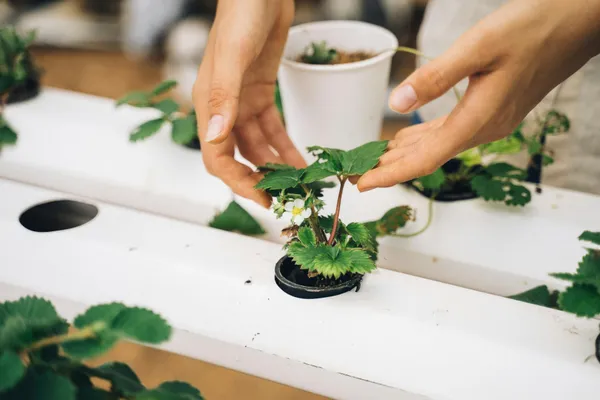
Hands and hydroponic strawberry cultivation, Pexels.