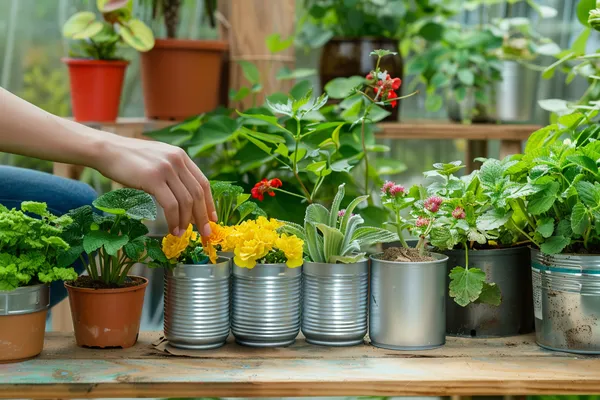
Aluminium cans as plant containers with hands, Freepik.
Balcony gardens are becoming a go-to solution to bring greenery into our homes in urban environments. In this blog post, we’ll explore sustainable gardening, focusing on how to reuse materials in balcony gardens. Add a character to your garden, by embracing eco-friendly gardening practices and transforming your balcony into a beautiful green living space.
The benefits of sustainable balcony gardening
Sustainable gardening isn’t just about growing plants — it’s about making choices that not only reduce waste but also reduce your environmental footprint. By using containers like planters made from recycled or upcycled materials, we can cut down on waste.
But the benefits go beyond the environment. Tending to plants has been shown to improve mental health, reduce stress, and even foster a sense of community among urban gardeners. A small balcony garden can make a big difference in how we connect with nature, even in the middle of a busy city.
Build your upcycle container garden
Start a sustainable balcony garden by selecting the right containers. Instead of buying new planters, why don't you upcycle everyday items? Old wooden crates, tin cans, ceramic pots, plastic bottles, and even worn-out drawers can all be turned into planters. Not only does this keep them out of landfills, but it also gives them a second life in our gardens.
When choosing materials like plastic, glass, aluminium, or wood, it’s important to consider durability. Wooden wine boxes and metal buckets, for example, hold up well against changing weather and are particularly long-lasting, making them ideal for small patio gardens. A well-drained and properly treated container ensures healthy plant growth and drainage to prevent waterlogging, reducing the need for frequent replacements.
Create a healthy ecosystem
A well-designed balcony garden can create a thriving ecosystem that supports local biodiversity. By carefully selecting the right plants, we can build habitats for pollinators like bees and butterflies, which play a crucial role in plant reproduction.
Growing a mix of flowers, herbs, and small shrubs encourages a balanced microhabitat in your balcony. Let herbs like lavender, rosemary, and mint flower attract pollinators. Additionally, climbing plants and flowering vines can provide shelter and nesting spaces for beneficial insects, further enriching the green space in our balcony.
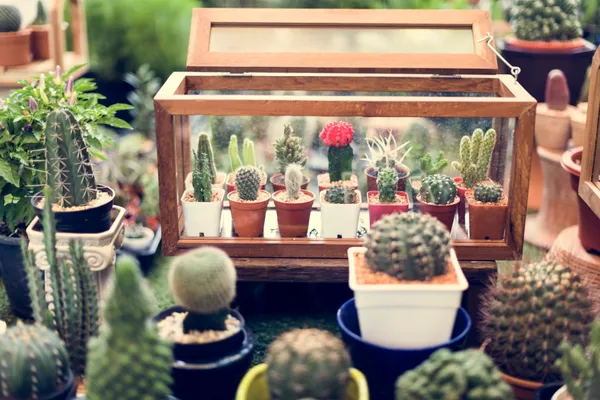
Glass vault with plants, Freepik.
Make the most of vertical gardening for small spaces
Even if you have a tiny balcony, there’s still plenty of room for container gardening. The key is to think about your available space. Vertical gardening is an excellent way to do it in limited areas. Wall-mounted planters, hanging baskets, and tiered shelving structures can all be used to arrange plants in a way that’s both functional and visually appealing.
Green walls provide essential nutrients for your plants while improving proper airflow and sunlight exposure. More importantly, they can help insulate buildings and reduce heat island effects.
This approach is perfect for small spaces like balconies, patios, or even verandas. It allows urban growers to cultivate fresh, homegrown produce in even the smallest of the environments.
Lower your carbon footprint
A sustainable balcony garden isn’t just about what we grow — it’s also about the materials we use. By repurposing plastic, glass, ceramic, aluminum, and wood, you can reduce waste and lower our personal carbon footprint.
As per the Life Cycle Assessment (LCA) and carbon footprint of materials, we can clearly see that materials have different environmental impacts. For example:
- Plastic has a lower production footprint than other materials like glass or aluminum, but its non-biodegradability makes recycling crucial.
- Glass is inert and endlessly recyclable without loss of quality, though energy-intensive to produce.
- Ceramic involves high-temperature kilns, leading to significant carbon emissions.
- Aluminium is highly recyclable and energy-efficient, thanks to the ongoing improvements in manufacturing processes. and recycling efforts.
- Wood products have a lower carbon footprint compared to synthetic materials. They store carbon throughout their lifespan: when trees are harvested and transformed the carbon remains stored within the final products.
By repurposing these materials in our balcony garden, we can minimise waste while creating something both beautiful and sustainable.
Reduce water usage
Water conservation is a big part of eco-friendly gardening. Even in a small outdoor space, a few simple habits can make a huge difference. Make sure to retain rainwater and explore by touch the soil before watering again. Reduce water usage, by applying mulch on top of the soil to lock in moisture and prevent evaporation, especially in hot or windy conditions. Another excellent technique is to add a layer of coir to your planters. This byproduct of coconut production helps with water retention, aeration, and root health.
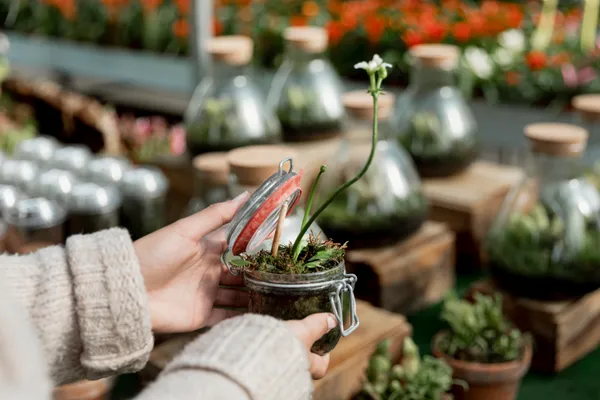
Terrariums with hands, Freepik.
Recycle materials for eco-friendly gardening
Learn how to build your DIY sustainable balcony garden. You'll discover innovative ways to make the most of small spaces, from repurposing containers to make pots to creating vertical gardens using wooden pallets. Additionally, selecting native plants and organic gardening practices can ensure a thriving ecosystem.
DIY urban gardening techniques & challenges
Urban gardening presents unique challenges, but with the right techniques, you can succeed. This section will cover essential strategies for maintaining a sustainable balcony garden, including soil health, water conservation, and pest management using eco-friendly methods. Readers will learn how to effectively use recycled materials to create functional and aesthetically pleasing garden features.
Upcycled planter ideas
Instead of discarding old items, convert them into unique garden planters, or decorative elements. Prefer containers made from glass, ceramic, or untreated wood, which do not pose the same risks of chemical leaching or microplastic contamination. Some creative planter ideas include:
- Plastic containers — Food-grade plastics (#1, #2, #4, #5) are safest for growing plants. Avoid using plastics known to contain bisphenol A (BPA) or phthalates, as these can pose health risks.
- Glass jars, bottles, and even old fish tanks are perfect for terrariums or as unique plant holders. Paint or cover the exterior of clear containers to protect root systems from excess sunlight. Consider using opaque or tinted glass bottles otherwise.
- Even broken ceramic pots, bowls, or dishes can be upcycled into mosaics, stepping stones, or garden edging. Since ceramic retains moisture well, it’s ideal for plants that require consistent hydration.
- Aluminium cans can be turned into lightweight planters, but avoid using them for edible plants due to the potential for aluminum toxicity. In acidic soils, aluminium can in fact become soluble and toxic to plants. It can also release harmful substances into the soil, especially when exposed to moisture and fertilisers. Last but not least, food cans may have inner coatings containing substances like BPA.
- Hardwoods, such as cedar or hemlock, are naturally resistant to rot and can make great raised beds that last several years without treatment. By opting for untreated wood, you eliminate the risk of chemical contamination in your garden. Alternatively, consider sanding and sealing other untreated wood like cedar or hemlock to ensure durability while keeping it safe for plants. Do not forget to apply a food-safe, plant-based wood sealer that includes pigments.
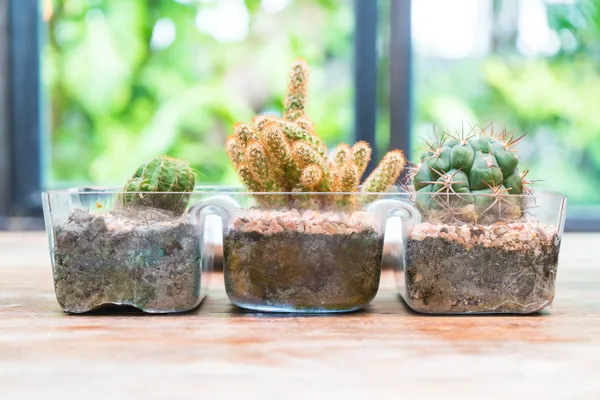
Repurposed glass container with 3 succulents, Freepik.
Choosing the right native plants
Make sure to choose plants that can thrive in outdoor areas in your region. Native species of flowers, herbs, and vegetables are an excellent choice because they’re naturally adapted to the local climate, making your oasis easier to maintain. They also provide nectar and pollen for pollinators.
Create a sustainable garden that supports local ecosystems. For European gardeners, species like cornflower, lavender, or honeysuckle add colour and fragrance to your garden.
A great way to bring beauty and biodiversity to your garden is by considering the type of soil you have and ensuring that your chosen plants are suited to it. Plants like borage, cornflower, yarrow, and knapweed prefer well-drained soil, while others, such as wild bergamot and oxeye daisy, thrive in more moist conditions. All of these plants are readily available for purchase through garden centres, nurseries, and online stores.
Make and use homemade compost
Homemade compost is an excellent way to ensure that plants receive the nutrients they need while cutting down on food waste and synthetic soil additives. Composting allows you to reuse kitchen scraps like vegetable peels, coffee grounds, and eggshells, transforming them into nutrient-rich organic matter that nourishes the soil. This natural form of fertilisation promotes plant growth by improving soil structure, water retention, and microbial activity.
Even in small spaces, you can use a small bin or a worm-based system (vermicomposting). This is an eco-friendly and affordable solution for enhancing the health of your plants. For extra comfort, adopt gardening gloves designed for touch devices users #ad.
Natural pest control
A thriving garden can help plants get the protection from pests they need naturally. Companion planting is an effective method — certain plants help deter pests while supporting beneficial ones. For example, pot marigolds can repel nematodes and aphids, while herbs like basil, tansy, and lavender help keep mosquitoes and flies away.
In every small outdoor space, attracting ladybugs and lacewings can help maintain a healthy balance in the garden. By providing shelter and nectar sources for these helpful predators, we can reduce the need for chemicals and keep our plants naturally pest-resistant. In this way, we can encourage biodiversity and maintain healthy soil, making our garden naturally safe from pest infestations while staying chemical-free.
Sustainable gardening for sustainable living
Connect with nature for a great gardening experience. Make mindful choices using sustainable materials for a greenerfuture, conserving water, and supporting a healthy ecosystem. In so doing, create a beautiful and fruitful garden that reflects your commitment to sustainability. Embrace the joy of urban gardening and inspire others to join the movement towards eco-friendly living, one balcony at a time.
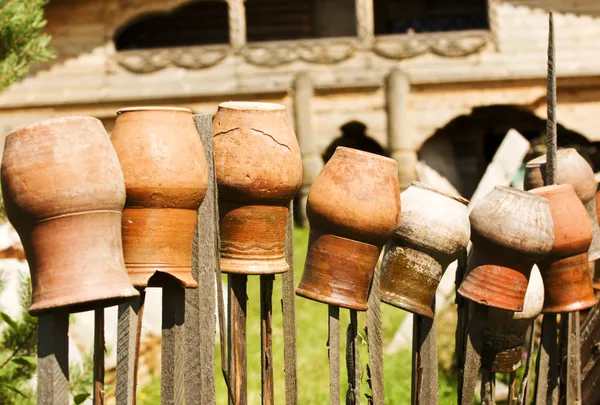
Broken ceramic pots upside down fence, Freepik.
This post contains Amazon affiliate links. As an Amazon Associate, I earn from qualifying purchases.